
Sep 25, 2026
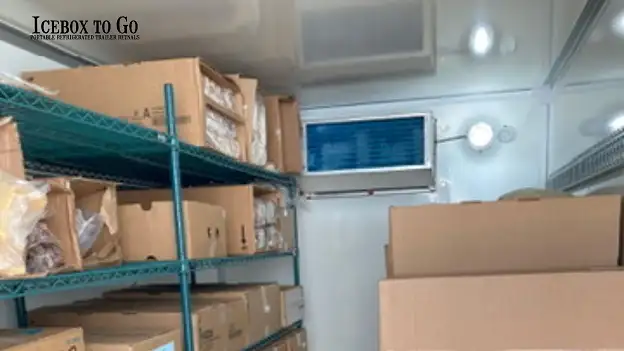 Anyone who has rented a refrigerated trailer for the first time knows the surprise that comes after delivery. The outside looks solid, the paint is clean, the tires are new, and yet none of that tells you a thing about how the unit will actually perform once it is loaded with product. We have found over the years that the real story is always inside. Interior space, how the cold is distributed, the shelving, the floor, and a handful of smaller details end up mattering far more than anything visible from the curb. If you are storing food, beverages, flowers, or anything else that cannot tolerate a temperature swing, it pays to walk through these eight features before you commit to a rental.
Reliable Temperature Control
Temperature consistency should sit near the top of any checklist, and we mean consistency throughout the whole interior, not just a cold blast near the door when it first opens. A trailer that cools unevenly will leave you with warm pockets in the back corners, which is exactly where problems tend to start. Digital temperature controls make monitoring far easier and let you keep the space within the range your products actually need. This becomes especially important on multi-day rentals or when outdoor temperatures swing widely from morning to afternoon, since the unit has to work harder to hold steady.
Practical Interior Capacity
A trailer can look enormous on a spec sheet and still feel tight once you start loading it, because usable capacity depends on layout, not just cubic footage. Pay attention to the interior dimensions, the floor area you can actually walk and work in, the ceiling height, and how smoothly product moves in and out. We always tell customers to think about what they are storing this week rather than picking the biggest trailer available out of habit. A thoughtfully arranged interior makes it far easier to separate items, rotate stock properly, and avoid the cramped, disorganized feeling that comes from overpacking a space that technically fits everything but functions poorly.
Adjustable Shelving
Shelving changes the entire personality of a refrigerated space, and this is one of those details people underestimate until they are standing inside a trailer trying to figure out where to put a mismatched pallet of boxes. Fixed shelves are fine for uniform inventory, but adjustable shelving gives you the flexibility to handle boxes, cases, trays, and containers of very different sizes without wasted vertical space. Good organization also keeps everything within reach instead of forcing staff to dig through the trailer just to grab something stored near the back wall.
Easy Loading and Unloading
Cold storage only earns its keep if your team can actually work with it without a headache, so look closely at the entry point, floor height, door opening, and the amount of space available for maneuvering. When employees are hauling inventory in and out all day long, awkward access turns into lost time and frustration fast. Before the trailer even arrives, it helps to picture your normal loading routine and check that the setup will work with how your business already operates, rather than forcing your team to adapt to the equipment.
Proper Insulation
Insulation rarely gets much attention, but it is doing quiet, constant work behind the scenes to keep the interior stable. Quality insulation reduces how much outside heat pushes into the trailer, which allows the refrigeration system to run efficiently instead of straining to keep up. This is especially important during long, hot summers, extended rental periods, or when the doors are opened and closed many times during the day. It is not a glamorous feature, but it is one of the fundamentals that separates a dependable trailer from one that struggles the moment conditions get difficult.
Durable, Easy-to-Maintain Flooring
The floor takes more abuse than people expect, especially with heavy boxes, rolling carts, the occasional spill, and steady foot traffic moving across it all day. A durable, easy-to-clean floor makes daily use far simpler and keeps the trailer sanitary, which matters a great deal when food or perishable goods are involved. Strength alone is not enough; the surface also needs to hold up to regular cleaning without breaking down or becoming a maintenance headache over time.
Interior Lighting
This one sounds minor until someone is standing in a packed trailer at nine at night trying to locate a specific case. Interior lighting improves visibility and makes loading, unloading, counting, and general organization noticeably easier. It may not be the feature that makes or breaks a rental decision on its own, but it is one you will genuinely appreciate every single day the trailer is on site.
Power and Equipment Requirements
Before the trailer shows up, it is worth understanding exactly what it needs to run properly, including the electrical connection, any extension cords, placement requirements, and other site-specific details. Sorting this out in advance prevents the kind of last-minute scramble that delays delivery and throws off your schedule. When comparing refrigerated trailer rentals, operating requirements deserve a spot in that comparison from the start, not an afterthought once the unit is already booked.
What Should You Check Before Renting?
A short walkthrough before delivery can tell you a lot about whether a trailer will actually fit your operation. It helps to look closely at:
- Interior dimensions and usable storage space
- Temperature controls and monitoring
- Shelving configuration and flexibility
- Door access and loading convenience
- Insulation and overall construction
- Flooring durability and cleanability
- Interior lighting
- Electrical and operating requirements
These details matter because cold storage is never just about making a space cold. It is about creating a practical, workable environment where inventory stays properly stored, and your team can move through it efficiently.
Conclusion
The right trailer really comes down to what you are storing, how much space you need, how long the rental will last, and how often the doors will be opening and closing throughout the day. A restaurant dealing with a temporary spike in inventory has different needs than a caterer prepping for a large event, and both are different from a business scrambling after an unexpected freezer breakdown. Taking a few extra minutes to look past the exterior and evaluate what is actually happening inside the trailer can save a lot of frustration later on. At Icebox to Go, we provide practical temporary cold-storage options built around different commercial and event needs. For refrigerated trailer rentals or portable freezer trailer needs in Altoona, PA, give us a call to discuss your storage requirements and find an alternative that truly matches your scenario.
FAQs
Ans:- Rental periods can range from a single day to several weeks or months, depending on the need. Providers typically offer flexible terms for both short-term emergencies and longer seasonal use.
Ans:- Most refrigerated trailers can hold temperatures from below freezing up to the standard cooler range, controlled digitally for accuracy. The exact range depends on the unit and what is being stored, so it’s worth confirming before booking.
Ans:- Yes, most units require a specific electrical connection to run properly, and this should be arranged before delivery. Checking power and placement requirements in advance helps avoid delays on the day of setup.
Ans:- Many trailers come with adjustable shelving that can be rearranged to fit boxes, cases, and containers of different sizes. This flexibility makes it easier to organize inventory and keep everything accessible.
Ans:- The right size depends on inventory volume, how it will be organized, and how long the space will be needed. It helps to think about usable interior layout rather than just cubic footage on a spec sheet.
